Finding a job in the United States is no longer about walking into offices or relying only on personal contacts. In 2026, most hiring happens online, and job portals have become the main way employers and candidates connect. Platforms like LinkedIn, Indeed, and other job boards play a central role in the hiring process.
At first, these platforms may seem simple. You create a profile, search for jobs, and apply. But the reality is more competitive. Thousands of people may apply for the same role, and employers often use software to filter candidates. This means that using these platforms effectively requires more than just sending applications—it requires strategy.
Understanding How Job Portals Actually Work
Before applying for jobs, it helps to understand how these platforms function behind the scenes. Most large companies use systems called Applicant Tracking Systems, or ATS, to manage applications. These systems scan resumes for keywords, skills, and experience that match the job description.
This means your application is often reviewed by software before a human ever sees it. If your resume does not match the required keywords, it may not move forward, even if you are qualified.
Platforms like Indeed and other job boards collect listings from thousands of companies. Some postings come directly from employers, while others are aggregated from different sources. This makes them useful for finding a large number of opportunities quickly.
On the other hand, LinkedIn is more than just a job board. It is also a professional networking platform. Employers use it not only to post jobs but also to search for candidates directly. Many recruiters reach out to potential hires based on their profiles rather than waiting for applications.
Another important point is that many companies prefer candidates who apply through their official career pages. Job portals are often used as discovery tools, but final applications may need to be submitted on company websites.
Understanding these details helps you approach job portals more effectively. Instead of applying randomly, you can align your strategy with how these systems work.
Using LinkedIn to Build Visibility and Get Opportunities
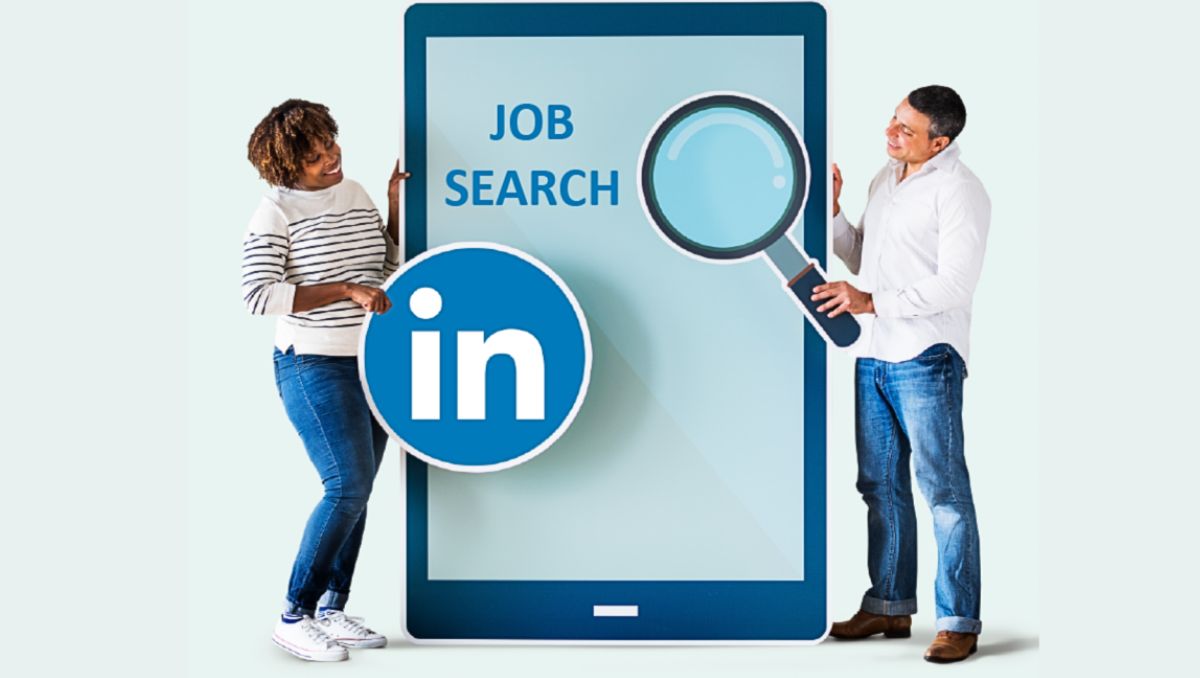
LinkedIn is one of the most powerful tools for job searching in the United States. Unlike traditional job portals, it allows you to build a professional identity and connect with people in your industry.
Your LinkedIn profile acts like an online resume, but it offers more flexibility. It should clearly describe your experience, skills, and achievements. A strong headline and summary can help recruiters understand your value quickly.
One of the biggest advantages of LinkedIn is visibility. Recruiters often search for candidates using specific keywords. If your profile includes relevant skills and terms, you are more likely to appear in their searches. This means opportunities can come to you, even if you are not actively applying.
Networking is another key feature. Connecting with professionals, joining industry groups, and engaging with content can help you build relationships. Many jobs in the U.S. are filled through referrals, and LinkedIn makes it easier to access these hidden opportunities.
The job section on LinkedIn allows you to search for roles based on location, experience level, and industry. It also provides insights such as how many people have applied and whether you are a strong match for the role.
Applying through LinkedIn can be quick, especially with “Easy Apply” options. However, it is still important to customize your resume and not rely on one-click applications alone.
Another useful strategy is reaching out to employees or recruiters at companies you are interested in. A short, professional message expressing interest can sometimes lead to valuable conversations or referrals.
Using Indeed and Other Job Portals Effectively
Indeed is one of the largest job search platforms in the U.S. It offers a wide range of listings across industries, making it a good starting point for job seekers.
When using Indeed, it is important to refine your searches. Instead of broad terms, use specific job titles, skills, or locations to find relevant listings. Filters can help narrow down results based on salary, job type, and experience level.
Uploading your resume on Indeed allows employers to find you. Many recruiters search the platform for candidates, so having a well-optimized resume increases your chances of being contacted.
Job alerts are another useful feature. By setting up alerts for specific roles or keywords, you can receive notifications when new jobs are posted. This helps you apply early, which can improve your chances.
Other job portals, such as Glassdoor, Monster, and company-specific websites, also play an important role. Each platform has its own strengths. For example, Glassdoor provides company reviews and salary insights, which can help you understand what to expect before applying.
One important strategy is not to rely on just one platform. Using multiple job portals increases your reach and helps you discover more opportunities.
At the same time, quality matters more than quantity. Instead of applying to hundreds of jobs with the same resume, it is more effective to apply to fewer roles with customized applications.
Applying Strategically and Increasing Your Success Rate
Using job portals effectively is not just about finding listings—it is about applying in a way that increases your chances of getting noticed.
The first step is tailoring your resume for each job. This means adjusting your skills and experience to match the job description. Including the right keywords helps your application pass through ATS filters.
Cover letters, while not always required, can still make a difference. A short, focused letter explaining why you are a good fit can help you stand out.
Timing is also important. Applying early often increases your chances because employers may review candidates on a rolling basis. Waiting too long can reduce your visibility.
Tracking your applications is another helpful practice. Keeping a record of where you applied, the role, and the status can help you stay organized and follow up when needed.
Following up after applying or interviewing shows interest and professionalism. While it should be done carefully, a polite follow-up message can keep you on the employer’s radar.
Preparing for interviews is equally important. Once your application is successful, you need to demonstrate your skills, communication ability, and fit for the role. Researching the company and practicing common interview questions can improve your performance.
Turning Job Portals Into Real Opportunities
Job portals like LinkedIn and Indeed have made job searching more accessible, but they have also increased competition. Success now depends on how effectively you use these tools.
The most successful job seekers treat these platforms as part of a larger strategy. They build strong profiles, apply selectively, and use networking to create opportunities.
Consistency is also important. Job searching can take time, and regular effort is needed to see results. Checking listings, updating your profile, and improving your applications should be part of your routine.
Learning from feedback and rejections can also help you improve. Each application and interview provides insight into what works and what needs to change.
In 2026, finding a job in the United States is not just about being qualified. It is about being visible, strategic, and prepared. By using job portals the right way, you can move from simply applying to actually getting hired.