The U.S. job market in 2026 is not as simple as “jobs are growing” or “jobs are shrinking.” It is more balanced, selective, and skill-driven than before. Hiring is still happening, but employers are being more careful about who they bring in. At the same time, new technologies, demographic changes, and economic uncertainty are reshaping what companies expect from candidates.
If you are looking for a job in the U.S. today, it is not enough to just apply widely. You need to understand what employers actually value now. The difference between getting hired and getting ignored often comes down to how well your profile matches these changing expectations.
A More Selective and Slower Hiring Environment
One of the biggest trends in 2026 is that hiring has become more cautious. Companies are still growing, but they are not hiring as aggressively as before. Instead, they are focusing on efficiency and making fewer but more strategic hires.
Recent data shows that job openings in the U.S. have decreased compared to previous years, and hiring rates are lower than before the pandemic. At the same time, overall employment is still growing steadily, with unemployment staying around 4–4.3%, which means the market is stable but competitive.
This has created what many experts call a “low hire, low fire” environment. Companies are not laying off workers in large numbers, but they are also not expanding their teams quickly.
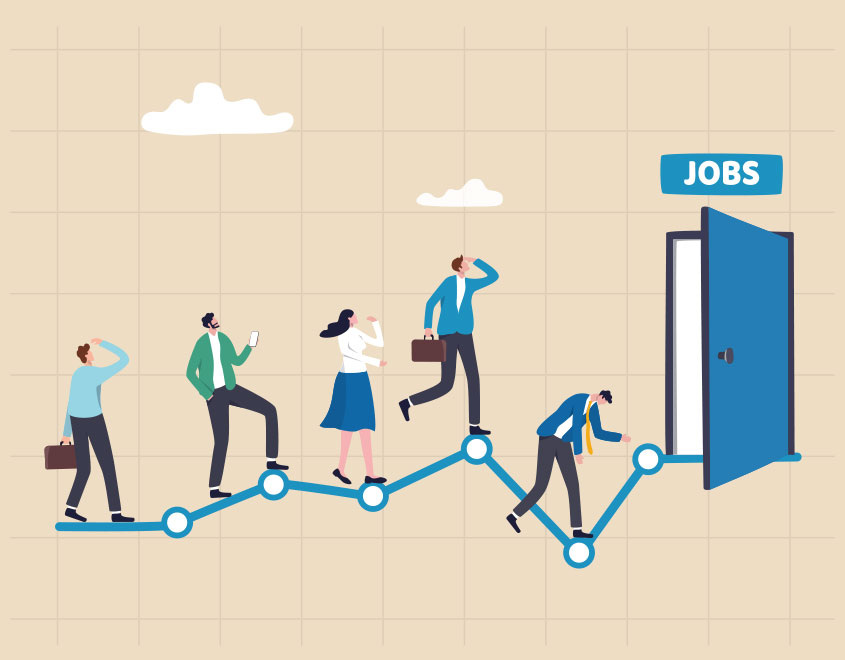
For job seekers, this means two things. First, competition is higher because fewer roles are available. Second, employers are taking more time to evaluate candidates. They are looking for people who can contribute immediately, rather than those who need a lot of training.
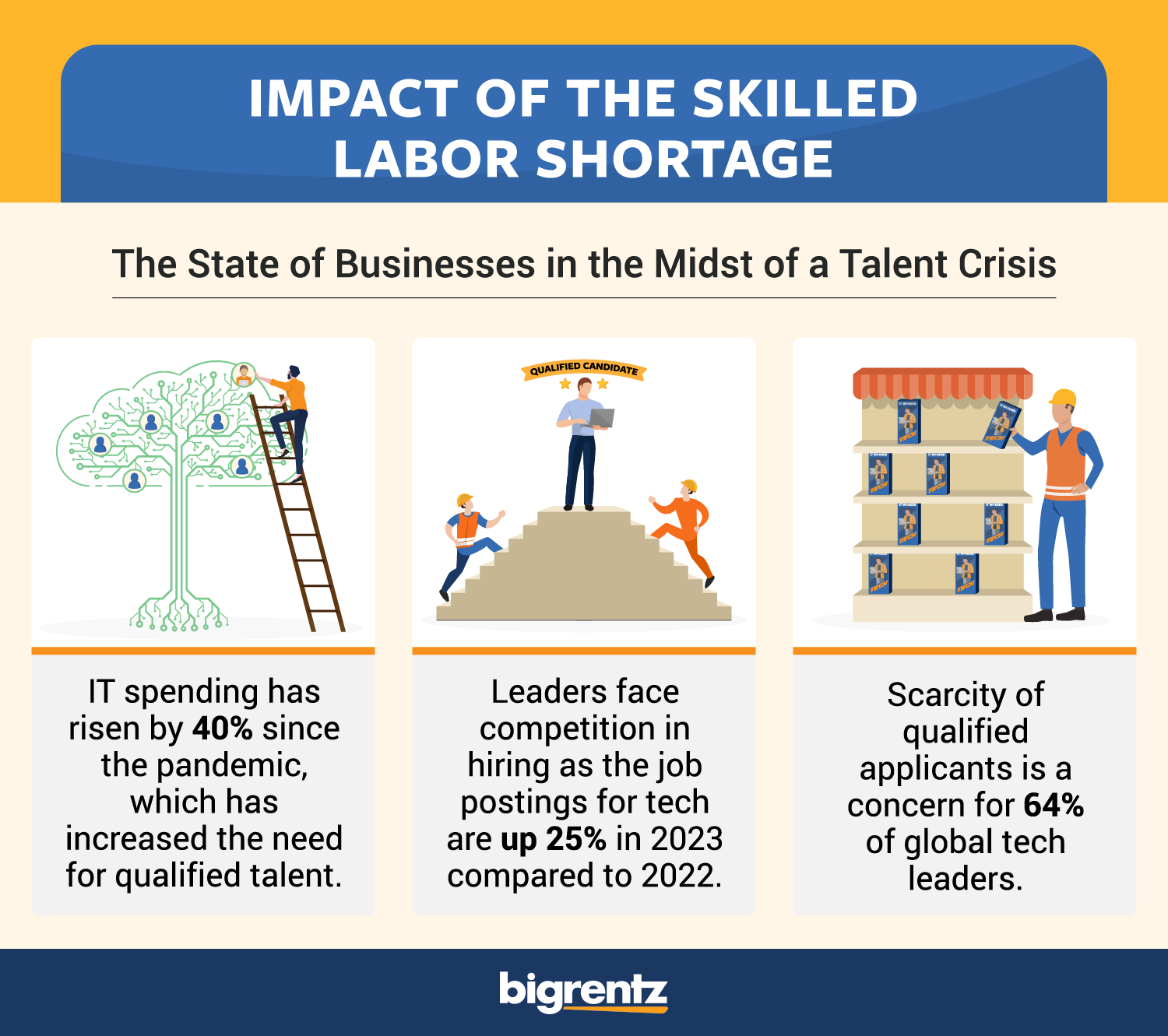
Another important shift is that companies are reducing unnecessary roles and focusing on essential positions. In some industries, especially tech, businesses are restructuring teams and relying more on automation and AI tools.
At the same time, certain sectors like healthcare and skilled trades are still experiencing strong demand due to workforce shortages and demographic changes.
Overall, the hiring environment is not weak, but it is more selective. Employers are not just filling positions—they are solving specific business problems.
Skills Matter More Than Degrees
One of the most important changes in the U.S. job market is the shift toward skill-based hiring. Employers are moving away from focusing only on degrees and are paying more attention to what candidates can actually do.
In 2026, many companies are using advanced tools, including AI, to evaluate candidates based on their skills rather than just their resumes. This means practical knowledge, certifications, and real-world experience are becoming more valuable than formal education alone.
This shift is especially visible in industries like technology, digital marketing, and skilled trades. Employers want people who can solve problems, work with modern tools, and adapt quickly to new systems.
Another major trend is the growing importance of AI-related skills. Many companies now expect employees to understand how to use AI tools in their daily work. In fact, AI fluency is becoming a basic requirement in many roles, not just technical ones.
Even outside of tech, workers are expected to use AI for tasks like writing, analysis, and decision-making. This does not mean AI is replacing jobs completely, but it is changing how work is done.
At the same time, there is increasing demand for human skills that cannot be automated. These include communication, teamwork, problem-solving, and emotional intelligence. Employers want people who can work well with others, handle challenges, and think creatively.
Another interesting trend is that many workers are upgrading their skills because of concerns about automation. Studies show that a large number of professionals are returning to learning programs to stay competitive in the job market.
This shows that continuous learning is no longer optional. In 2026, the most successful candidates are those who keep improving their skills, even after getting a job.
Flexibility, Adaptability, and the Changing Nature of Work
Beyond skills, employers in 2026 are also looking for a different mindset. The nature of work itself is changing, and companies need employees who can adapt to new ways of working.
One major trend is the rise of flexible work models. Many companies are using a mix of full-time employees, contract workers, and freelancers. This “blended workforce” allows businesses to stay efficient while adjusting to changing demands.
Because of this, employers value flexibility more than ever. They want people who can handle different roles, learn new tasks quickly, and work in changing environments.
Another key trend is the impact of demographics. The U.S. workforce is aging, and many experienced workers are retiring. This is creating gaps in industries like healthcare, construction, and skilled trades.
As a result, employers are not only looking for new talent but also for people who can grow into leadership roles over time.
Workplace culture is also evolving. Employees today are looking for more than just a paycheck. Many want meaningful work, better work-life balance, and a positive work environment. Employers are responding by focusing more on employee experience, well-being, and purpose.
At the same time, companies expect employees to take more ownership of their work. Independence, initiative, and accountability are highly valued. Managers want team members who can think for themselves and contribute ideas, rather than just follow instructions.
Another important factor is adaptability. With rapid changes in technology and business needs, job roles are constantly evolving. Employers prefer candidates who are open to learning and can adjust quickly to new tools, processes, and challenges.
What This Means for Job Seekers in 2026
The U.S. job market in 2026 is not about applying to hundreds of jobs and hoping for the best. It is about understanding what employers need and positioning yourself accordingly.
The most important takeaway is that skills are now the center of hiring decisions. Degrees still matter in some fields, but they are no longer enough on their own. Practical ability, experience, and continuous learning are what set candidates apart.
At the same time, the hiring process is more competitive and selective. Employers are careful about every hire, which means candidates need to be better prepared, more focused, and more strategic.
Technology, especially AI, is changing how work is done and what skills are required. Being comfortable with digital tools is becoming a basic expectation across almost all industries.
Finally, mindset matters as much as skills. Employers are looking for people who are flexible, adaptable, and ready to grow. The ability to learn, adjust, and take initiative is what defines success in today’s job market.
In 2026, the candidates who succeed are not just qualified—they are prepared for change, ready to learn, and able to deliver real value from day one.