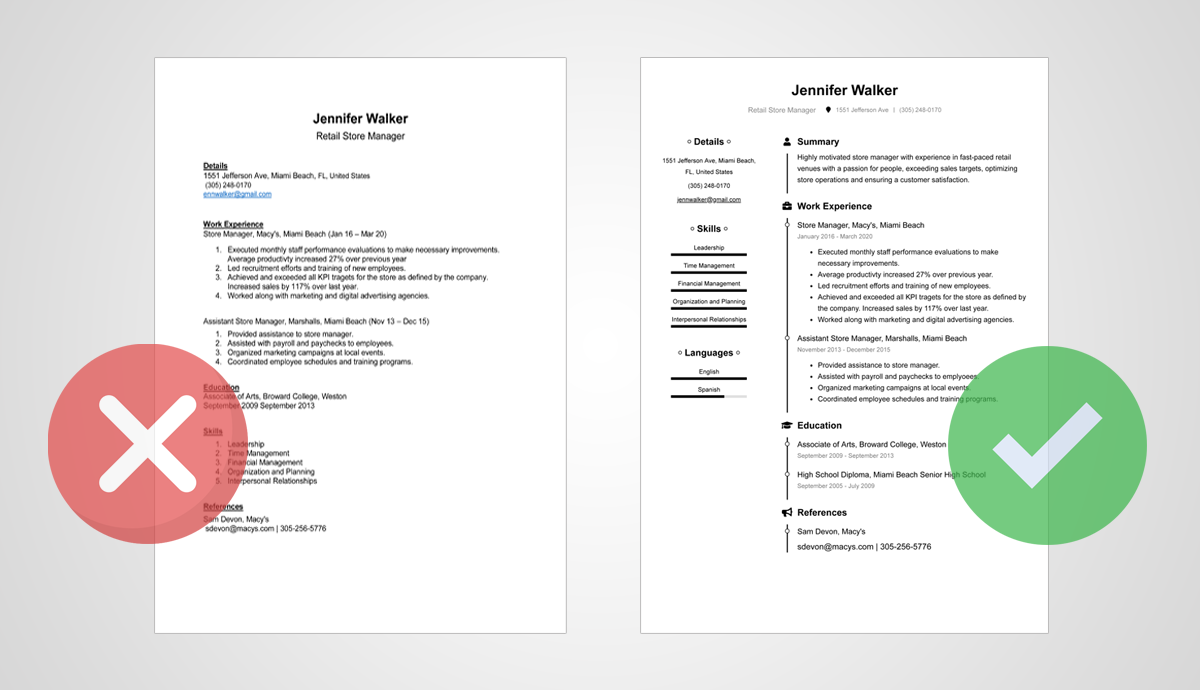
Writing a resume is one of the most important steps in getting a job in the United States. It is often the first impression you make on an employer, and in many cases, it determines whether you get an interview or not. In 2026, resumes are not just read by humans—they are also scanned by software that looks for specific keywords and skills. This means your resume needs to be clear, relevant, and well-structured.
A good resume is not about listing everything you have done. It is about showing the employer why you are the right person for the job. It should highlight your strengths, your achievements, and your ability to deliver results.
Understanding What Employers Want to See
Before you start writing your resume, it is important to understand what employers are actually looking for. Most hiring managers spend only a few seconds scanning each resume. They are not reading every line in detail. Instead, they are quickly checking whether your profile matches the job.
One of the biggest mistakes people make is using the same resume for every job. In today’s job market, this rarely works. Employers expect your resume to be tailored to the specific role you are applying for. This means adjusting your skills, experience, and even wording based on the job description.
Another key factor is clarity. Your resume should be easy to read, with a clean layout and simple language. Long paragraphs and unnecessary details make it harder for employers to understand your value quickly.
Employers also focus heavily on results. Instead of just listing your responsibilities, they want to see what you achieved. For example, saying that you “managed a team” is less effective than saying you “managed a team of 10 people and improved project delivery time by 20%.” The second statement shows impact.
Keywords are also important because many companies use Applicant Tracking Systems, or ATS, to filter resumes. These systems scan for specific words related to skills, tools, and experience. If your resume does not include these keywords, it may not even reach a human reviewer.
At the same time, honesty matters. It is important to present your experience in the best possible way, but exaggerating or adding false information can create problems later in the hiring process.
Building a Strong Resume Step by Step
A strong resume follows a clear structure. While formats can vary slightly, most successful resumes include a few key sections that present your information in an organized way.
It usually starts with your contact information at the top. This includes your name, phone number, email address, and sometimes a link to your LinkedIn profile or portfolio. This section should be simple and easy to find.
Next comes a short professional summary. This is a brief introduction, usually two to four lines, that explains who you are, what you do, and what you bring to the table. It should be focused and tailored to the job you are applying for.
For example, a strong summary might look like this:
“Results-driven digital marketer with over three years of experience in SEO and content strategy. Proven track record of increasing website traffic and improving search rankings. Skilled in data analysis and campaign optimization.”
After the summary, the work experience section is the most important part of your resume. This is where you list your previous roles, starting with the most recent one. For each job, include your title, the company name, and the dates you worked there.
Under each role, describe your achievements rather than just your tasks. For example:
Instead of writing:
“Handled social media accounts.”
You can write:
“Managed social media accounts and increased engagement by 40% within six months.”
Another example from a technical role might look like this:
“Developed and maintained web applications using modern frameworks, improving page load speed by 30% and enhancing user experience.”
These kinds of statements show measurable results, which makes your resume more powerful.
The next section is your skills. This should include both technical skills and soft skills relevant to the job. It is important to match these skills with the job description so that your resume aligns with what the employer is looking for.
Education comes after that. If you have a degree, list it along with the institution and graduation year. If you do not have a degree, you can include certifications, courses, or training programs that are relevant to the role.
You can also include additional sections if they add value. For example, projects, certifications, volunteer work, or awards can strengthen your profile, especially if you are early in your career.
Real Examples That Show What Works
Seeing real examples can help you understand how to apply these ideas in practice. A good resume is not about using complex language—it is about being clear, specific, and focused on results.
Here is an example of a weak statement and how it can be improved:
Weak:
“Responsible for customer service.”
Strong:
“Provided customer support to over 50 clients daily, resolving issues quickly and improving customer satisfaction ratings.”
Another example from a sales role:
Weak:
“Worked in sales.”
Strong:
“Achieved 120% of sales targets for three consecutive quarters by building strong client relationships and identifying new opportunities.”
For someone in a beginner role, the focus can be on learning and contribution:
“Assisted in managing online marketing campaigns, contributing to a 25% increase in website traffic through content updates and keyword optimization.”
Even if you do not have formal work experience, you can still create strong statements using projects or internships. For example:
“Created a personal blog and grew monthly traffic to 10,000 visitors through SEO and content strategy.”
These examples show that what matters is not just what you did, but how you present it. Numbers, results, and clear outcomes make your resume more convincing.
Making Your Resume Stand Out in 2026
In today’s job market, writing a resume is not just about following a format. It is about standing out in a competitive environment where employers receive many applications for each role.
One of the most effective ways to stand out is by keeping your resume focused. Avoid adding unnecessary information that does not relate to the job. Every line should have a purpose and support your application.
Another important factor is customization. Taking the time to adjust your resume for each job may feel like extra work, but it significantly increases your chances of getting noticed.
Design also matters, but it should not be overdone. A clean and professional layout is more effective than a complex design. The goal is to make your resume easy to read, not to make it look flashy.
Proofreading is essential. Even small mistakes in spelling or grammar can create a negative impression. A well-written resume shows attention to detail and professionalism.
It is also helpful to think of your resume as a marketing document. You are presenting yourself as a product, and the employer is the customer. Your goal is to show why you are valuable and how you can solve their problems.
Over time, your resume should evolve. As you gain experience, learn new skills, and achieve more results, you should update your resume to reflect your growth.
Writing a strong resume takes effort, but it is one of the most important investments you can make in your career. A well-crafted resume does not just list your past—it opens the door to your future opportunities.