Starting your career after graduation can feel both exciting and confusing. In the United States, the job market offers many opportunities for fresh graduates, but competition is strong. Employers are not just looking for degrees anymore. They want candidates who show potential, basic skills, and the ability to learn quickly.
Entry-level jobs are designed to help you gain experience, understand how industries work, and build a strong foundation for your future career. While these roles may not always offer very high salaries at the beginning, they provide something more valuable—real-world exposure and growth opportunities.
In 2026, certain entry-level jobs stand out because of strong demand, good starting salaries, and clear career paths.
Entry-Level Jobs in Technology and Digital Fields
Technology continues to be one of the best areas for fresh graduates to start their careers. Even at the entry level, there are many opportunities for those with basic technical skills or a willingness to learn.
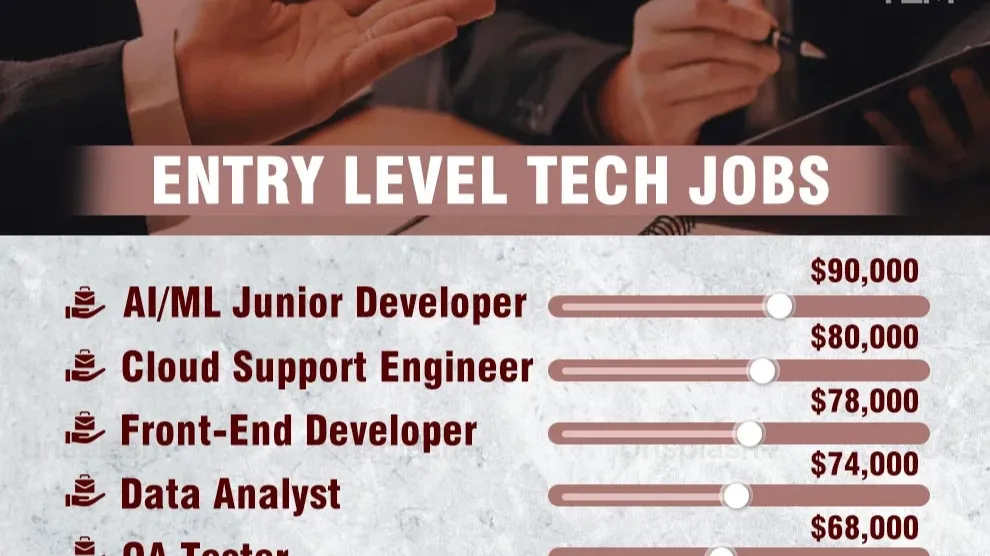
One of the most common entry-level roles is a junior software developer. In this position, you work with experienced developers to build and maintain applications. While you may not handle complex tasks initially, you learn quickly by working on real projects. Starting salaries often range from $70,000 to $90,000, depending on location and company.
Another popular role is a data analyst. Data analysts help organizations understand information and make better decisions. This job involves working with data tools, spreadsheets, and visualization software. Entry-level salaries typically start around $60,000 to $80,000, with strong growth potential.
IT support specialist roles are also widely available. These jobs involve helping users solve technical problems, setting up systems, and maintaining networks. While the starting salary may be slightly lower, usually around $50,000 to $70,000, it provides a solid path into more advanced IT roles.
Digital marketing is another growing field. Entry-level positions such as marketing assistants or SEO executives allow graduates to work on online campaigns, social media, and content strategies. Salaries often start around $50,000 to $65,000, but growth can be fast for those who perform well.
One important advantage of tech and digital roles is that they value skills and projects. Even if you are a fresh graduate, having internships, personal projects, or certifications can help you stand out.
Entry-Level Roles in Business, Finance, and Corporate Fields
For graduates interested in business and corporate careers, there are many entry-level roles that offer structured growth and long-term stability.
One of the most common starting points is a business analyst role. In this position, you help companies improve processes, analyze data, and support decision-making. Entry-level business analysts typically earn between $60,000 and $75,000.
Another strong option is working as a financial analyst. This role involves analyzing financial data, preparing reports, and helping organizations manage budgets. Starting salaries often range from $65,000 to $85,000, making it one of the higher-paying entry-level options.
Sales roles are also widely available for fresh graduates. These positions focus on building relationships with clients and generating revenue for companies. While base salaries may start around $50,000 to $70,000, commissions can significantly increase earnings.
Human resources (HR) assistant roles provide an entry into the people side of business. These jobs involve recruitment support, employee management, and administrative tasks. Salaries usually start around $50,000 to $65,000, with opportunities to grow into higher HR roles.
Customer success and account management roles are also becoming popular. These positions focus on ensuring clients are satisfied and continue to use a company’s products or services. They are especially common in tech and service-based companies.
These corporate roles often provide structured training programs, mentorship, and clear career progression, which can be very helpful for fresh graduates.
Entry-Level Jobs in Healthcare, Retail, and Other Sectors
Beyond technology and corporate roles, there are many entry-level opportunities in other sectors that offer stability and growth.
Healthcare is one of the most reliable industries for entry-level jobs. Roles such as medical assistants, healthcare administrators, and support staff are in high demand. While some positions may require certifications, they offer steady employment and opportunities to advance. Salaries can vary widely, but many entry-level roles start around $40,000 to $60,000.
Retail and customer service jobs are also common starting points. Positions like store associates, supervisors, and management trainees help graduates develop communication and problem-solving skills. While salaries may start lower, these roles can lead to management positions over time.
Logistics and supply chain roles are growing due to the expansion of e-commerce. Entry-level positions such as operations coordinators or warehouse supervisors offer hands-on experience in managing goods and services. Salaries often range from $45,000 to $65,000.
Another growing area is creative and media roles. Graduates interested in design, writing, or video production can start as junior designers, content creators, or production assistants. These roles often depend on skills and portfolios rather than degrees.
Government and public sector jobs are also worth considering. These roles offer stability, benefits, and structured career growth. While the hiring process may take longer, they can provide long-term security.
Building a Strong Start to Your Career
Getting your first job in the United States is not just about finding any role—it is about choosing a path that helps you grow. Entry-level jobs are stepping stones. They give you the experience and confidence needed to move into better opportunities.
One of the most important things you can do as a fresh graduate is to focus on learning. The first few years of your career are about building skills, understanding your industry, and discovering what you enjoy.
Internships, part-time work, and projects can make a big difference when applying for entry-level jobs. Employers understand that you may not have full-time experience, but they still want to see some proof of your abilities.
Networking also plays a key role. Connecting with professionals, attending events, and staying active on platforms like LinkedIn can help you find opportunities that are not always advertised.
Another important factor is flexibility. Being open to different roles or locations can increase your chances of getting hired. Sometimes, the first job may not be perfect, but it can lead to better opportunities later.
It is also important to stay patient. The job search process can take time, especially in a competitive market. Rejections are common, but each application and interview helps you improve.
In 2026, the U.S. job market offers many opportunities for fresh graduates, but success depends on how you approach it. The right combination of skills, effort, and strategy can help you build a strong start and set the foundation for a successful career.