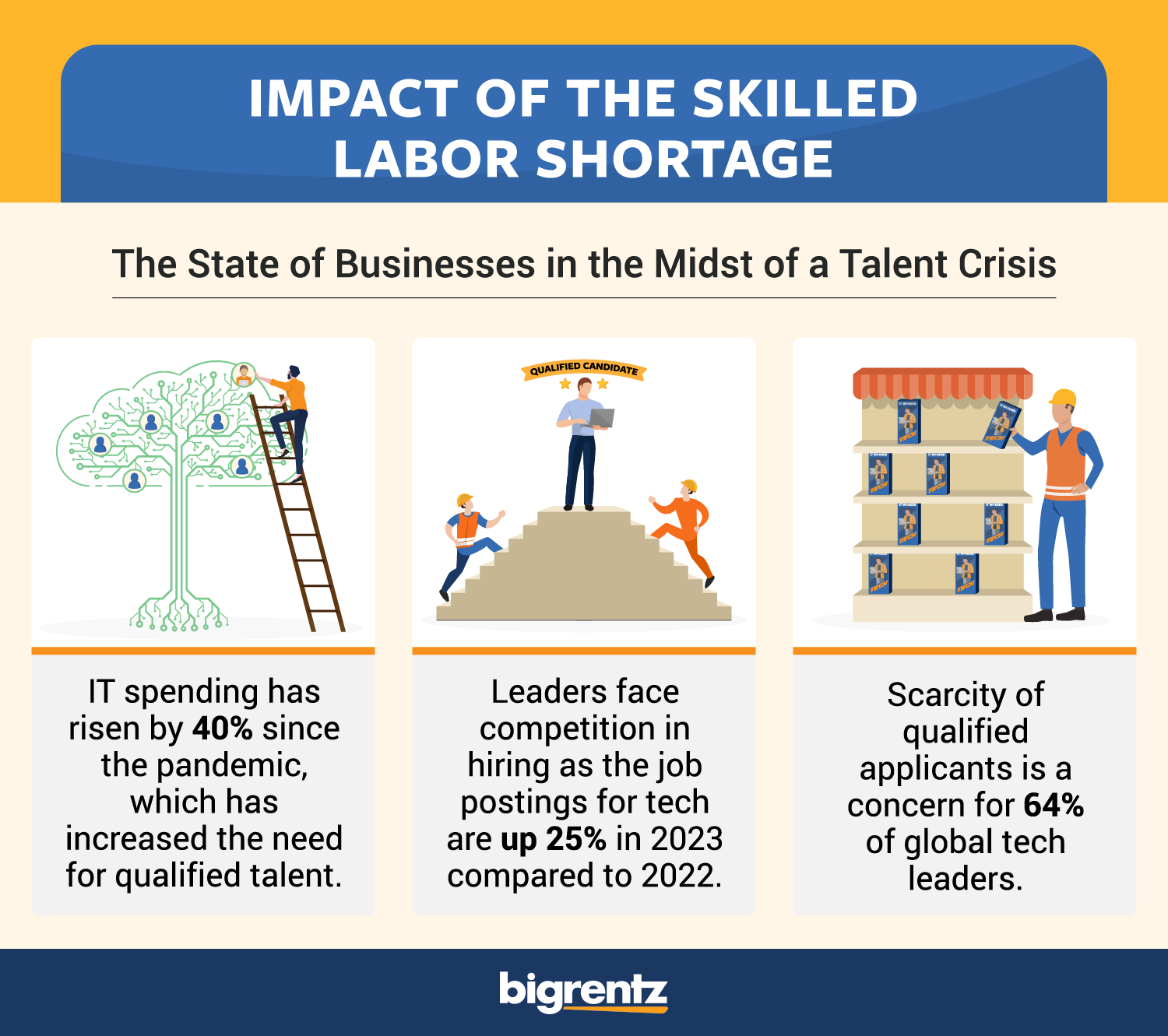
The United States is facing a growing shortage of skilled workers across several industries. While many people think jobs are hard to find, the reality in 2026 is more balanced. In some sectors, competition is high, but in others, employers are struggling to find enough workers. This gap between demand and supply has created opportunities where getting a job is relatively easier compared to other fields.
This shortage is not happening by accident. It is driven by long-term changes such as an aging workforce, fewer people entering certain professions, and rapid growth in industries that require specialized skills. For job seekers, this creates a unique advantage. If you focus on the right fields, you can find jobs faster, experience less competition, and build a stable career.
Why the Skilled Worker Shortage Is Growing
One of the biggest reasons for the shortage is retirement. A large number of experienced workers, especially in trades and technical fields, are leaving the workforce. Many of these roles require years of experience, and there are not enough younger workers stepping in to replace them.
Another major factor is the shift in education trends. For many years, college degrees were promoted as the main path to success. As a result, fewer people chose vocational training or skilled trades. This has created a gap in fields like construction, electrical work, and mechanical services.
At the same time, certain industries are growing faster than expected. Healthcare is expanding due to an aging population, while technology is evolving quickly and creating new roles that require specialized skills. The demand for workers in these areas is rising faster than the supply.
Immigration policies also play a role. Many industries in the U.S. have traditionally relied on international workers. When the flow of skilled workers slows down, shortages become more noticeable.
Another important factor is the nature of the work itself. Some jobs are physically demanding, require irregular hours, or involve working in challenging environments. Because of this, fewer people are willing to take these roles, even when salaries are competitive.
All these factors together have created a situation where certain jobs are consistently open, making them easier to get for those who are prepared.
Jobs That Are Easier to Get Due to High Demand
One of the most affected areas is skilled trades. Jobs like electricians, plumbers, and HVAC technicians are in high demand across the country. These roles are essential for maintaining homes, offices, and infrastructure. Because there are not enough trained workers, employers are often eager to hire and may even offer training opportunities.
Construction is another field experiencing a shortage. Roles such as construction workers, supervisors, and project managers are needed for ongoing development and infrastructure projects. While some positions require experience, many entry-level roles are available for those willing to learn on the job.
Transportation and logistics also offer many opportunities. Truck drivers, delivery drivers, and warehouse workers are in constant demand due to the growth of e-commerce and supply chains. In some cases, companies offer signing bonuses or higher pay to attract workers.
Healthcare is another sector where jobs are relatively easier to find. Roles like nursing assistants, home health aides, and medical support staff are growing rapidly. These positions may require basic training or certification, but once qualified, finding work is usually not difficult.
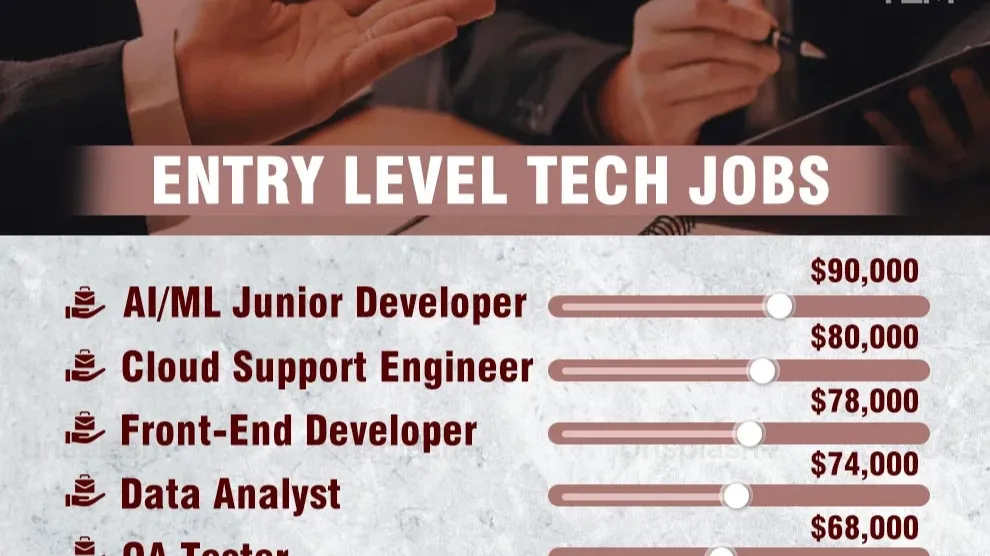
Technology, while competitive at higher levels, also has areas with shortages. Cybersecurity professionals, IT support specialists, and certain software roles are in demand because companies need to protect their systems and manage digital operations. For candidates with the right skills, opportunities are strong.
Manufacturing and industrial jobs are also seeing a shortage of workers. Machine operators, technicians, and maintenance workers are needed to keep production running. Many of these roles offer stable incomes and opportunities to grow.
Another growing area is renewable energy. Jobs related to solar and wind energy, such as installation and maintenance, are expanding as the country invests in clean energy. These roles are relatively new, which means there is less competition compared to traditional careers.
What Makes These Jobs More Accessible
The jobs facing worker shortages are often more accessible because they have fewer barriers to entry. Many do not require a four-year college degree. Instead, they rely on practical training, certifications, or apprenticeships.
Another factor is the urgency of hiring. When companies need workers quickly, they are more flexible in their requirements. This can include offering on-the-job training, accepting candidates with less experience, or speeding up the hiring process.
These roles also tend to have clear career paths. For example, someone starting as an apprentice electrician can gradually gain experience, earn certifications, and increase their income over time. This makes them attractive for people looking for long-term stability.
In some cases, employers also provide incentives such as higher starting salaries, bonuses, or benefits to attract workers. This is especially common in industries like transportation, healthcare, and skilled trades.
Another reason these jobs are easier to get is lower competition. Since many job seekers focus on popular fields like corporate roles or tech, fewer people apply for trades or physically demanding jobs. This increases your chances of getting hired if you choose these paths.
However, it is important to understand that “easy to get” does not mean “easy to do.” Many of these jobs require hard work, discipline, and commitment. The advantage is that once you enter the field, opportunities are often stable and long-lasting.
Turning Opportunity Into a Career
The skilled worker shortage in the United States is not just a short-term trend. It is expected to continue for years, which means the opportunities available today are likely to remain strong in the future.
For job seekers, this is a chance to take a different approach. Instead of competing in crowded fields, you can focus on areas where demand is high and supply is low. This can lead to faster hiring, better job security, and steady income growth.
The key is to be open-minded. Some of these careers may not have the same social perception as traditional office jobs, but they offer real value and strong financial potential.
Training and skill development are still important. Even if a job is easier to get, having the right skills can help you advance more quickly and earn higher salaries.
It is also helpful to think long-term. Many people start in entry-level roles within these fields and gradually move into higher-paying positions or even start their own businesses.
In 2026, the U.S. job market is not just about finding any job—it is about finding the right opportunity. The skilled worker shortage has created a situation where certain careers are more accessible than ever. For those willing to learn, work hard, and take advantage of these opportunities, it can be the beginning of a stable and rewarding career path.