
Remote work is no longer a temporary trend in the United States. It has become a normal part of how companies operate. In 2026, many organizations offer work-from-home options, not just as a benefit, but as a core part of their business model. This shift has created new opportunities for professionals to earn strong incomes without being tied to a physical office.
At the same time, remote jobs are more competitive than ever. Since location is no longer a barrier, companies receive applications from across the country and even globally. This means that while the opportunities are real, getting a high-paying remote job requires the right skills, preparation, and strategy.
High-Paying Remote Careers in Technology and Digital Fields
Technology continues to dominate the remote job market. Most of the highest-paying work-from-home roles are in this sector because the work can be done entirely online and companies rely heavily on digital systems.
Software developers are among the top earners in remote roles. They build applications, websites, and systems used by businesses and consumers. In 2026, experienced developers working remotely can earn between $100,000 and $150,000 or more per year, depending on their specialization and experience.
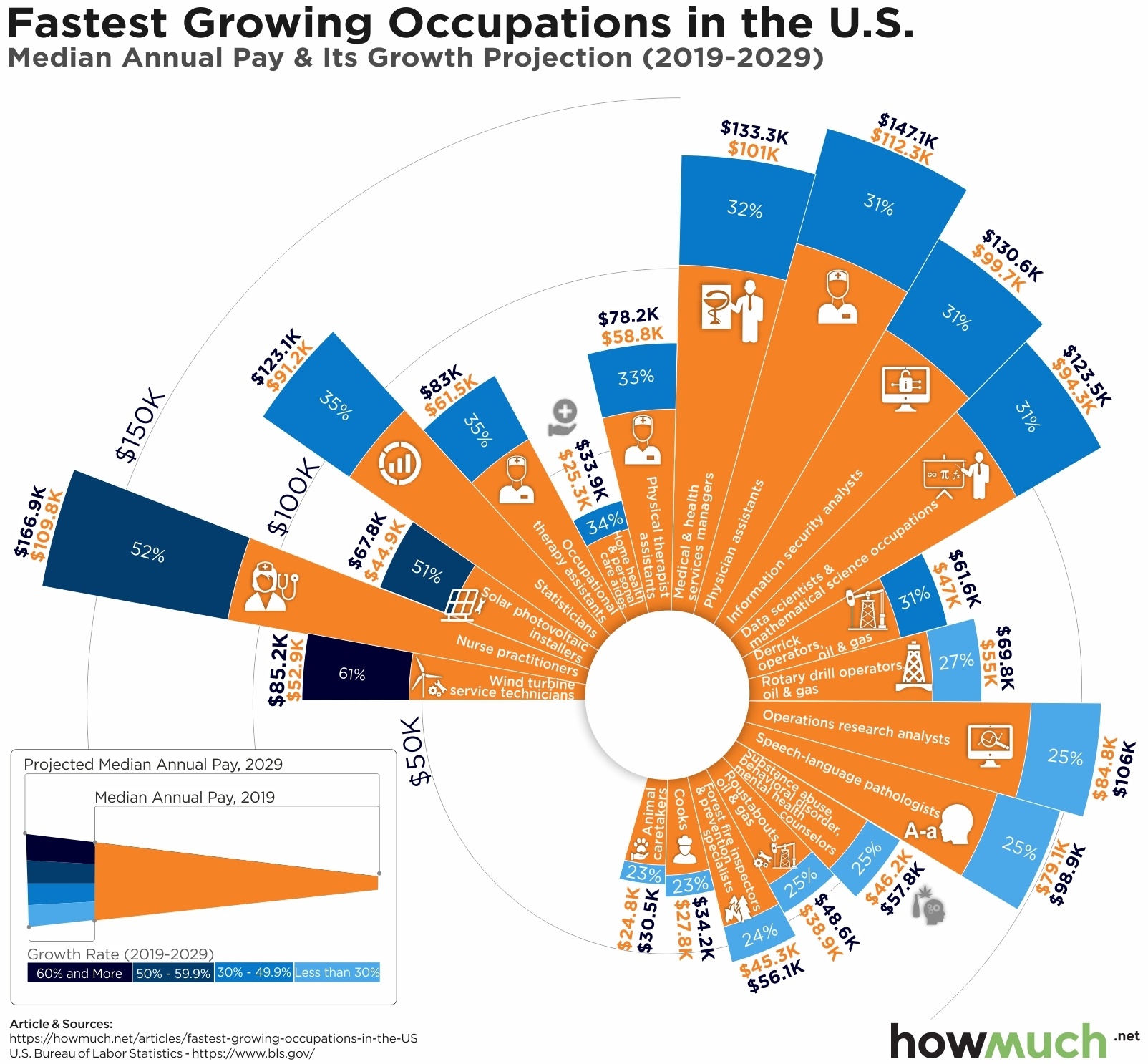
Another high-paying role is data science. Data scientists analyze large sets of information to help companies make decisions. This role is in demand across industries like finance, healthcare, and e-commerce. Remote data scientists often earn salaries above $120,000, especially if they have experience with machine learning and analytics tools.
Cybersecurity professionals are also highly valued in remote environments. As companies operate online, protecting systems and data has become a top priority. Information security analysts and cybersecurity engineers can earn well over $100,000 while working from home.
Cloud engineers and DevOps specialists are also in strong demand. These professionals manage cloud infrastructure and ensure systems run smoothly. Since cloud systems are accessed remotely, these jobs naturally fit the work-from-home model. Salaries often range from $110,000 to $150,000.
Artificial intelligence and machine learning roles are growing rapidly. Companies are investing heavily in automation and AI tools, creating high-paying opportunities for those with the right skills. Many of these jobs offer flexible remote options and very competitive salaries.
One of the biggest advantages of tech-based remote jobs is flexibility. Many roles allow you to work from anywhere, set your own schedule to some extent, and even take on freelance projects alongside full-time work.
However, these roles also require continuous learning. Technology changes quickly, and professionals need to keep updating their skills to stay competitive.
Remote Careers in Business, Marketing, and Creative Fields
Not all high-paying remote jobs are technical. Many roles in business, marketing, and creative industries also offer strong earning potential and flexibility.
Digital marketing is one of the most popular remote career paths. This includes roles like SEO specialists, content marketers, and paid advertising experts. Companies rely on digital marketing to grow their online presence, and skilled professionals in this field can earn between $70,000 and $120,000 or more.
Content creation and copywriting are also growing as remote careers. Businesses need high-quality content for websites, blogs, and marketing campaigns. Experienced writers and content strategists can earn strong incomes, especially if they specialize in high-demand niches like technology or finance.
Sales roles, particularly in software and services, offer some of the highest earning potential in remote work. Many of these positions are fully remote and include commission-based income. Successful sales professionals can earn well over $100,000 annually, with some reaching much higher levels depending on performance.
Project management is another strong remote career option. Project managers coordinate teams, manage timelines, and ensure work is completed successfully. With experience and certifications, remote project managers can earn salaries ranging from $80,000 to $120,000.
Customer success and account management roles are also becoming more common in remote settings. These jobs involve working with clients, solving problems, and ensuring customer satisfaction. While entry-level roles may start lower, experienced professionals can earn competitive salaries.
Creative roles like graphic design, video editing, and UI/UX design are also well-suited for remote work. Many designers work with clients or companies online and earn strong incomes based on their skills and portfolio.
One of the key advantages of these careers is that many do not require a traditional office environment. As long as you can deliver results, companies are comfortable allowing remote work.
What It Takes to Get a High-Paying Remote Job
Getting a remote job in the United States is not just about having the right skills. It also requires a different approach compared to traditional office roles.
One of the most important factors is trust. Employers need to feel confident that you can work independently, manage your time, and deliver results without constant supervision. This means showing reliability, discipline, and strong communication skills.
Your online presence plays a major role in remote hiring. A strong LinkedIn profile, a personal portfolio, or examples of your work can help you stand out. Since employers cannot meet you in person initially, they rely more on what they see online.
Communication is especially important in remote roles. You need to be clear, responsive, and professional in your interactions. Many companies use tools like email, chat platforms, and video calls, so being comfortable with digital communication is essential.
Time management is another key skill. Remote work often comes with flexibility, but that also means you are responsible for organizing your own schedule. Employers prefer candidates who can handle deadlines and stay productive without direct supervision.
Experience also matters, but it does not always have to come from traditional jobs. Freelance work, personal projects, and internships can all demonstrate your ability to work remotely and deliver results.
Another important factor is adaptability. Remote work environments can change quickly, with new tools, processes, and team structures. Being open to learning and adjusting helps you succeed in the long term.
Challenges and Opportunities in Remote Work
While remote jobs offer many benefits, they also come with challenges. One of the biggest challenges is competition. Since people can apply from anywhere, the number of applicants for remote roles is often higher than for office-based jobs.
Another challenge is isolation. Working from home means less face-to-face interaction, which can affect motivation and work-life balance. Successful remote workers usually create routines and dedicated workspaces to stay focused.
Despite these challenges, the opportunities are significant. Remote work allows you to access jobs that were previously limited by location. You can work for top companies without moving to expensive cities, which can improve your overall quality of life.
Another major advantage is flexibility. Many remote roles allow for better work-life balance, giving you more control over your time. This is especially valuable for people with family responsibilities or other commitments.
In 2026, remote work is not just an option—it is a major part of the job market. High-paying work-from-home careers are available across multiple industries, but they require the right combination of skills, discipline, and strategy.
The people who succeed in remote jobs are those who can work independently, communicate effectively, and continuously improve their skills. With the right approach, remote work can offer both financial success and a more flexible way of living.